Project Summary
Fingerprint Cards, a global biometric technology provider, needed to decide which of two fingerprint onboarding kits to take into mass production. At Block Zero, we were tasked with informing this decision from a usability perspective: together with my colleague, I planned and executed an end-to-end usability study, from research ops, planning, interviewing, analysis, to final reporting.
Our research uncovered critical usability issues across both kits, delivered actionable design insights, and helped avoid costly changes later in development.
Results
Insights Into Production
UX Research Report
Contribution
Research Ops
User Interviews
Research Analysis
Reporting
Timeline
Oct - Dec 2021
Team
UX Researchers (2)
Business Challenge
Choosing the Right Enrolment Method
As biometric payment cards move closer to mainstream adoption, the enrolment and onboarding experience becomes a critical moment of trust. When Fingerprint Cards approached us, they had prototyped two enrolment kits and needed to understand which one performs better and where confusion or hesitation occurred.
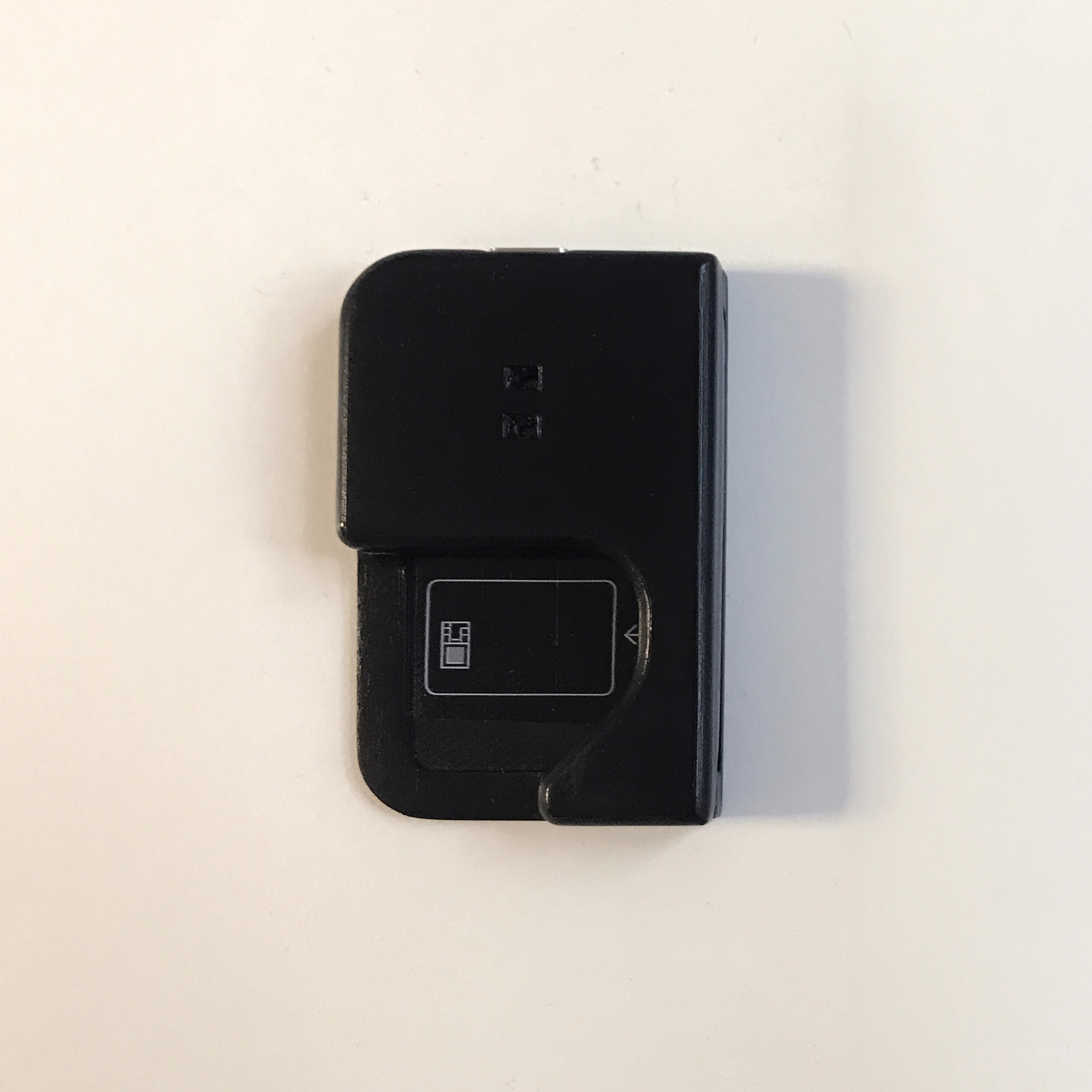
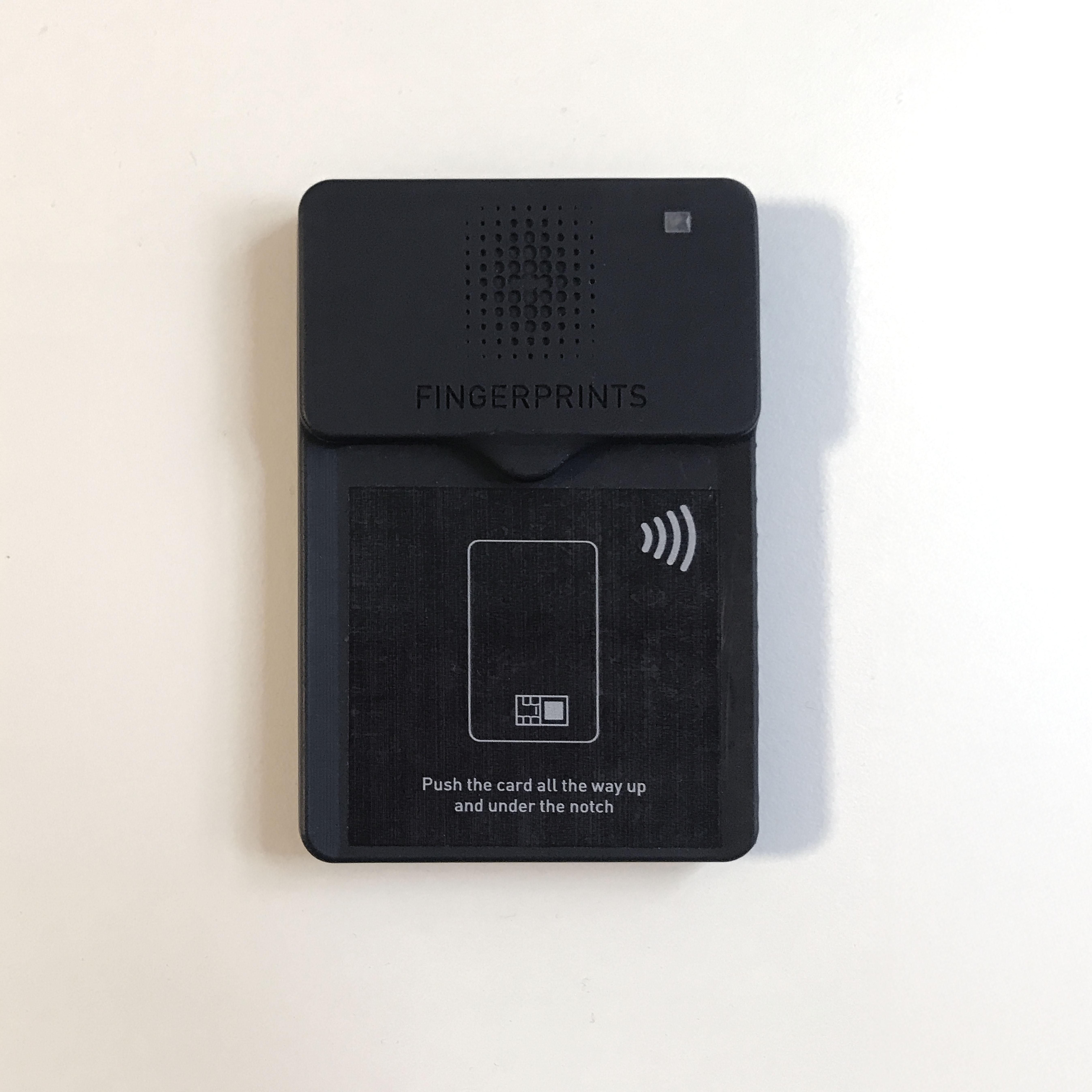
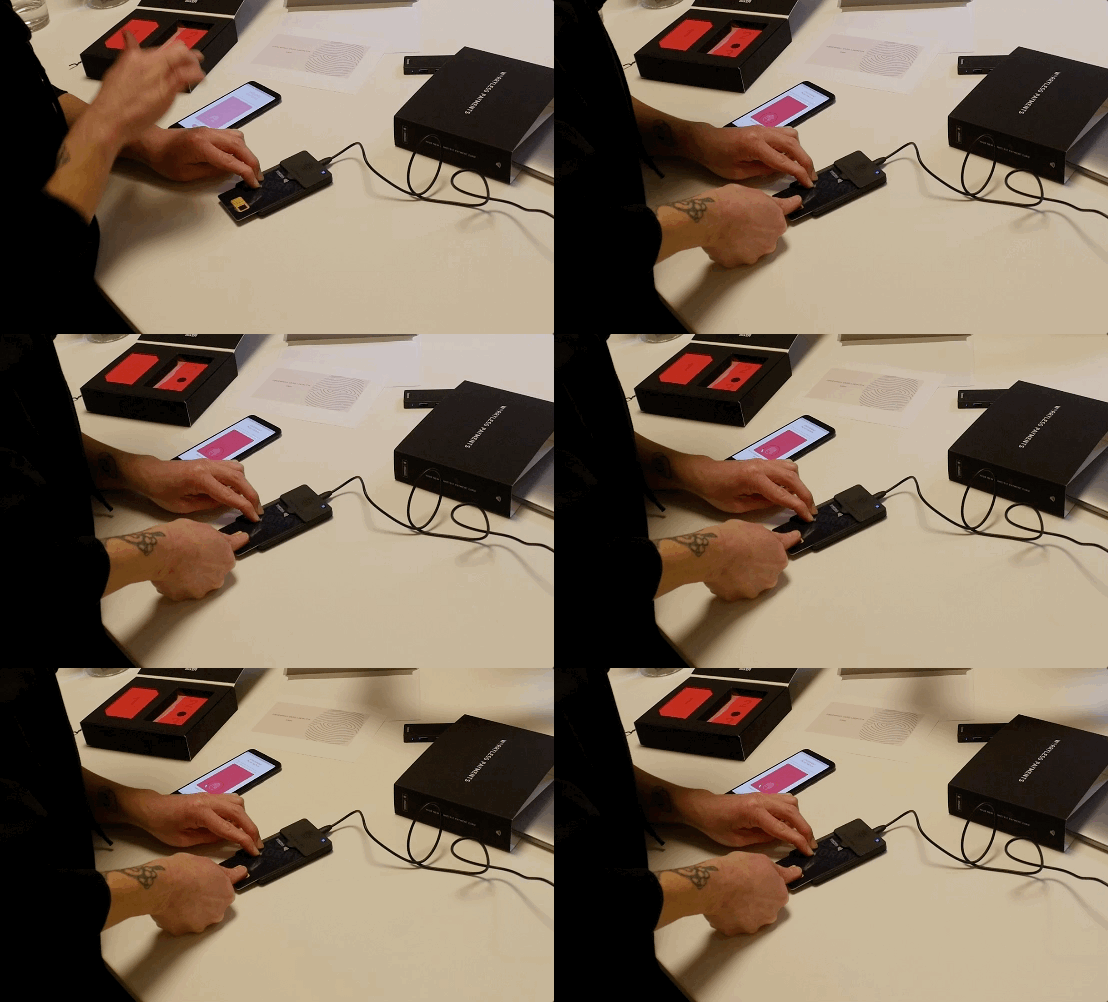
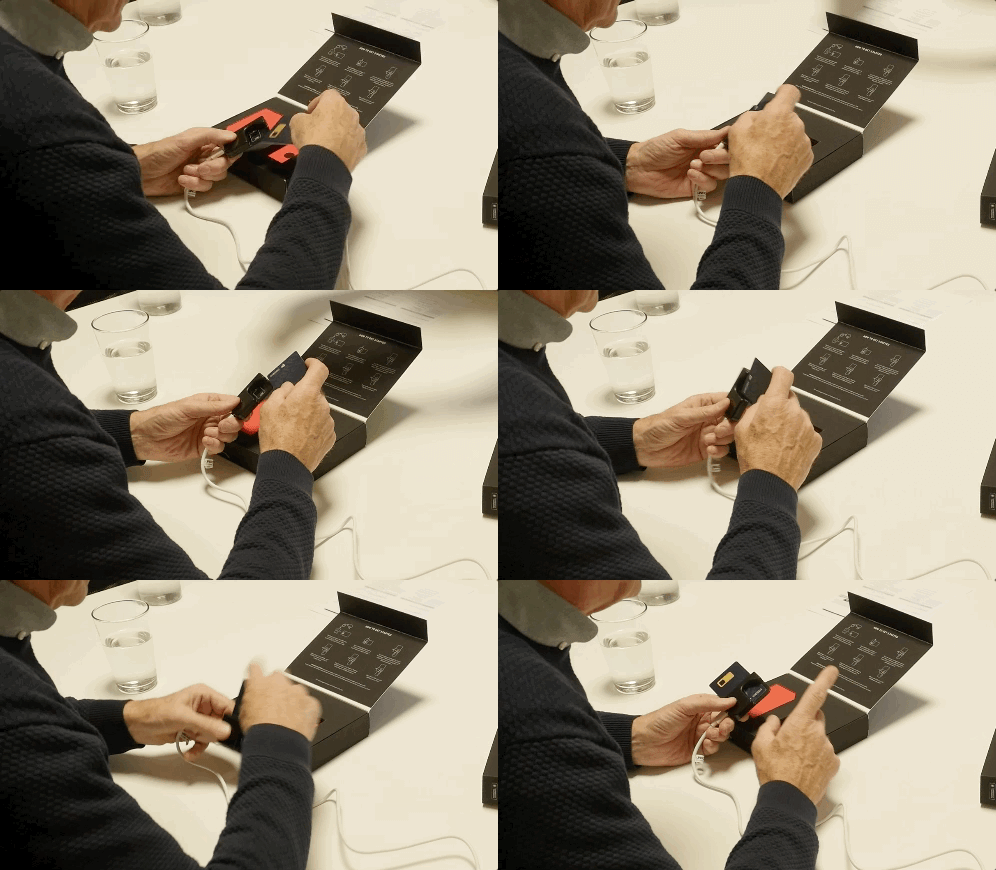
We received two onboarding kits to test: a Basic Sleeve physical prototype and a SmartNroll physical prototype paired with the app.
The key KPIs were onboarding completion and duration, perceived security and trust, as well as accessibility and ergonomics.
Prototype 1: Basic Sleeve
Prototype 2: SmarNroll (+ the app component)
Process
From Research Setup to Actionable Insights
Research Ops & Planning
Together with my colleague, I co-led the research setup, defining participant criteria, test protocol, and session flow. Each session started with an interview, unboxing, enrolment, and closing with the debrief. To reduce order bias, we alternated which enrolment option to test first.
In-depth Usability Sessions
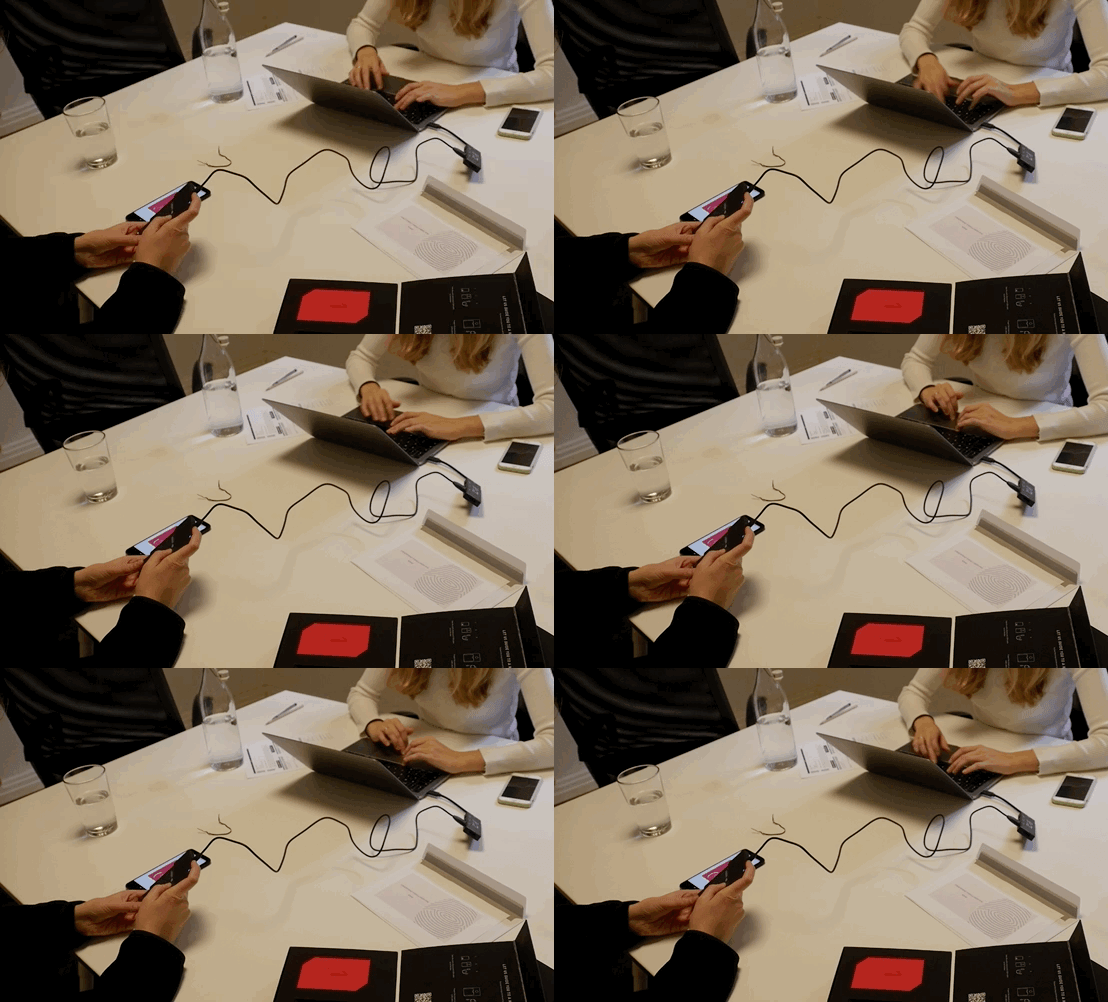
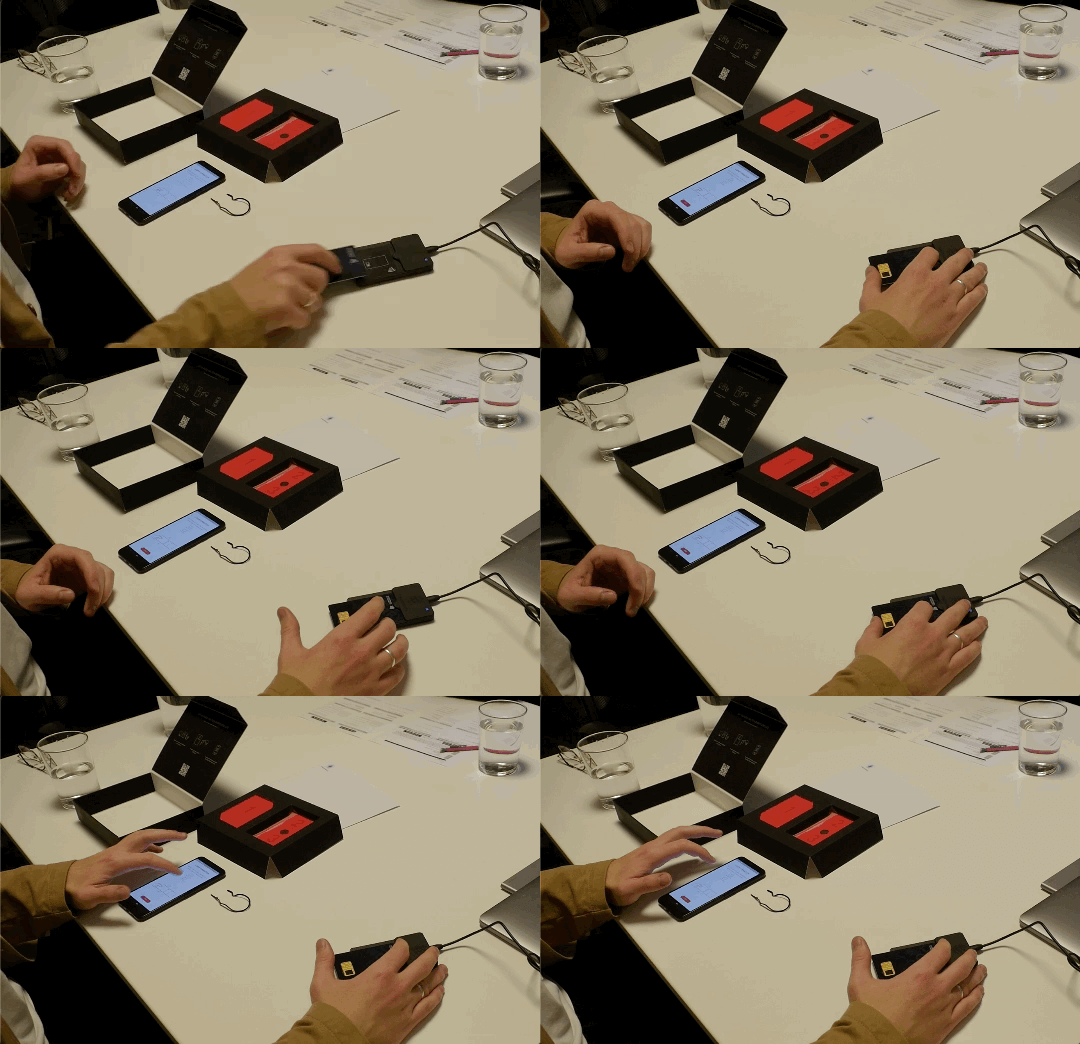
We conducted 18 in-depth usability sessions and identified behavioural patterns, points of friction, emotional responses, and how users interpreted instructions, feedback, and system signals.
Synthesis & Reporting
We stopped running research sessions when we saw emerging patterns in the data we collected. We synthesised findings into clear themes, translated observations into actionable insights that were shared with the Fingerprint Cards teams.
Testing footage helped communicate the main findings
Outcome & Impact
Testing Helped Avoid Costly Rework
The study revealed that while most participants were able to complete both enrollment methods, the experiences differed significantly: the Basic Sleeve method was perceived as quicker but lacked sufficient feedback, while SmartNroll provided stronger guidance but took more time. Across both flows, we identified recurring issues related to unclear terminology, ergonomics, and system feedback.
The research resulted in a set of actionable and prioritised recommendations and gave Fingerprints a deeper, user-centred understanding of how people experience biometric enrollment for payment cards. The insights helped inform refinements to existing solutions and helped avoid costly changes later in development.
Learnings
Why User Research Matters
As with many research-heavy projects, it reinforced the value of working closely with real users. Many of the insights uncovered could not have been predicted through theory or universal design principles alone and showed how differently people interpret and interact with the world around them. This is why user research remains essential to creating solutions that work.
Like What You See?
See More in Work & Blog