Summary
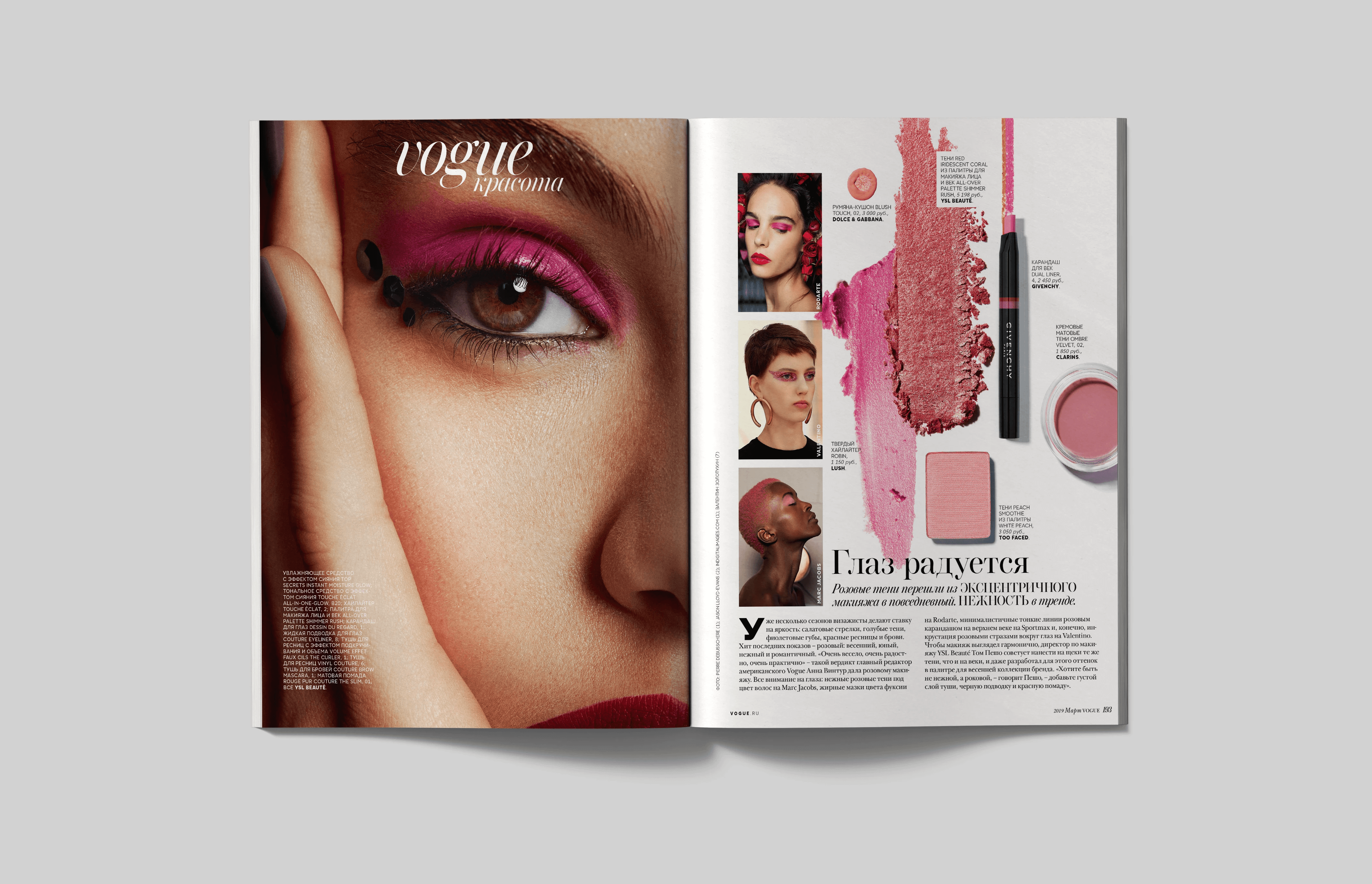
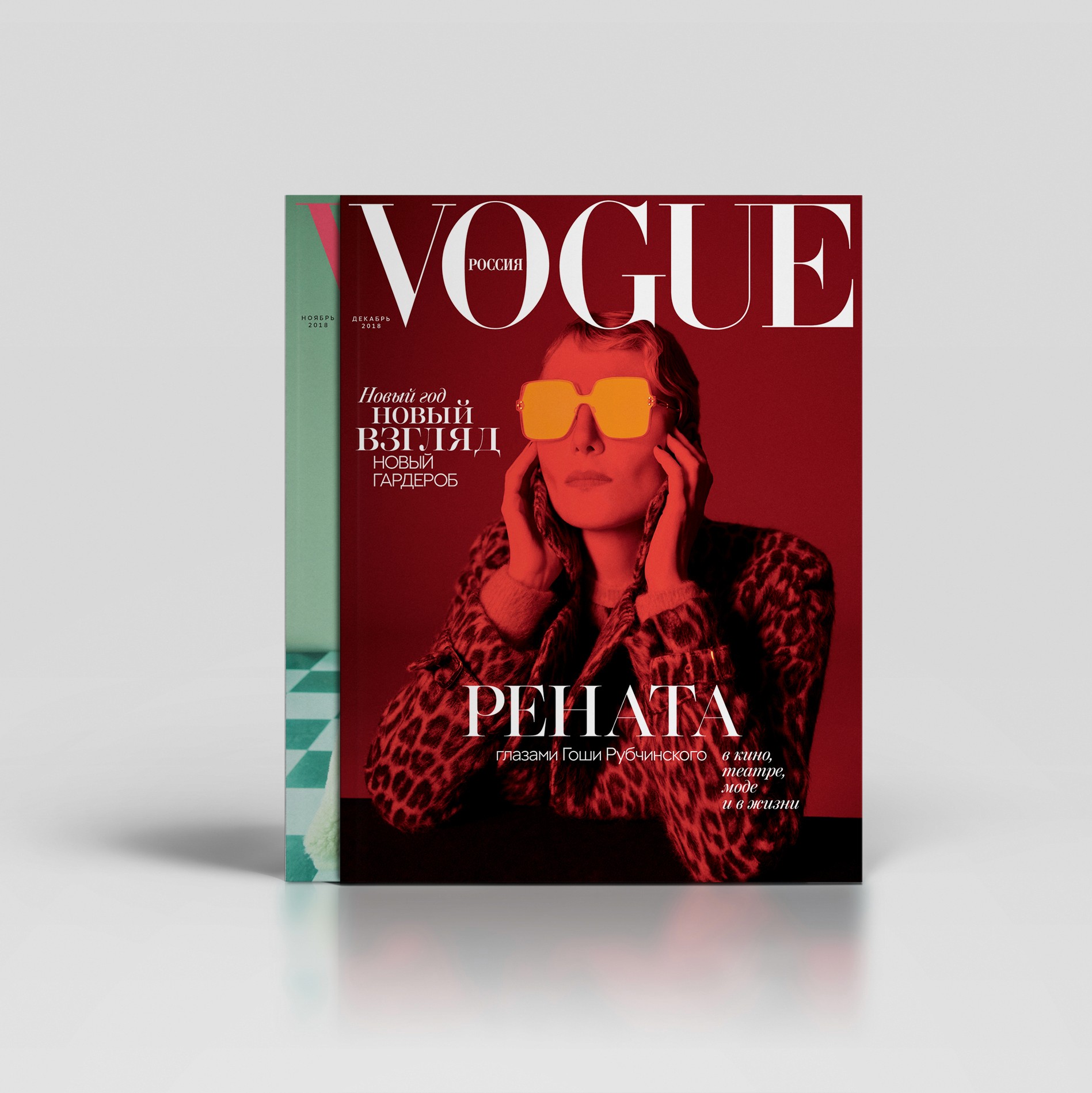
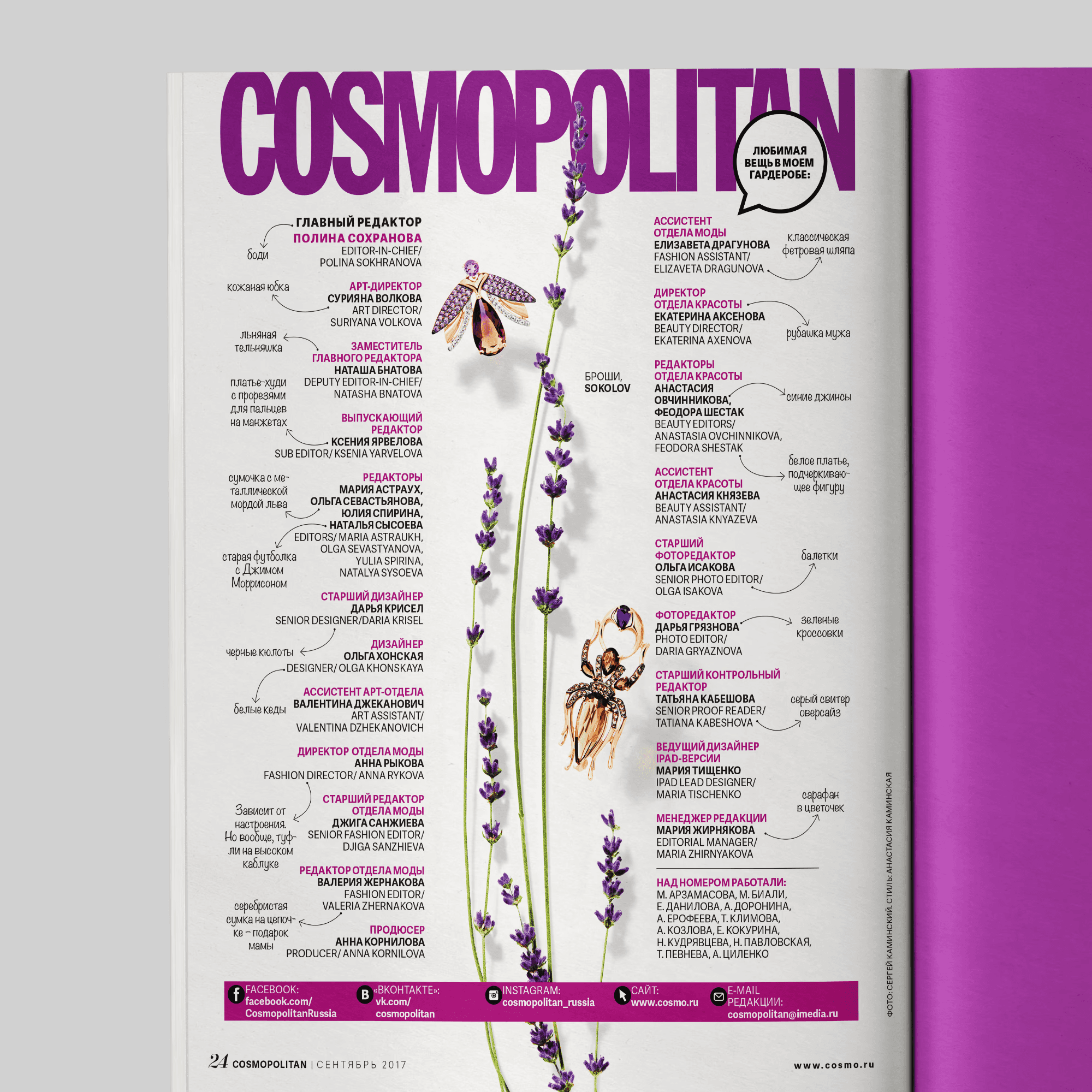
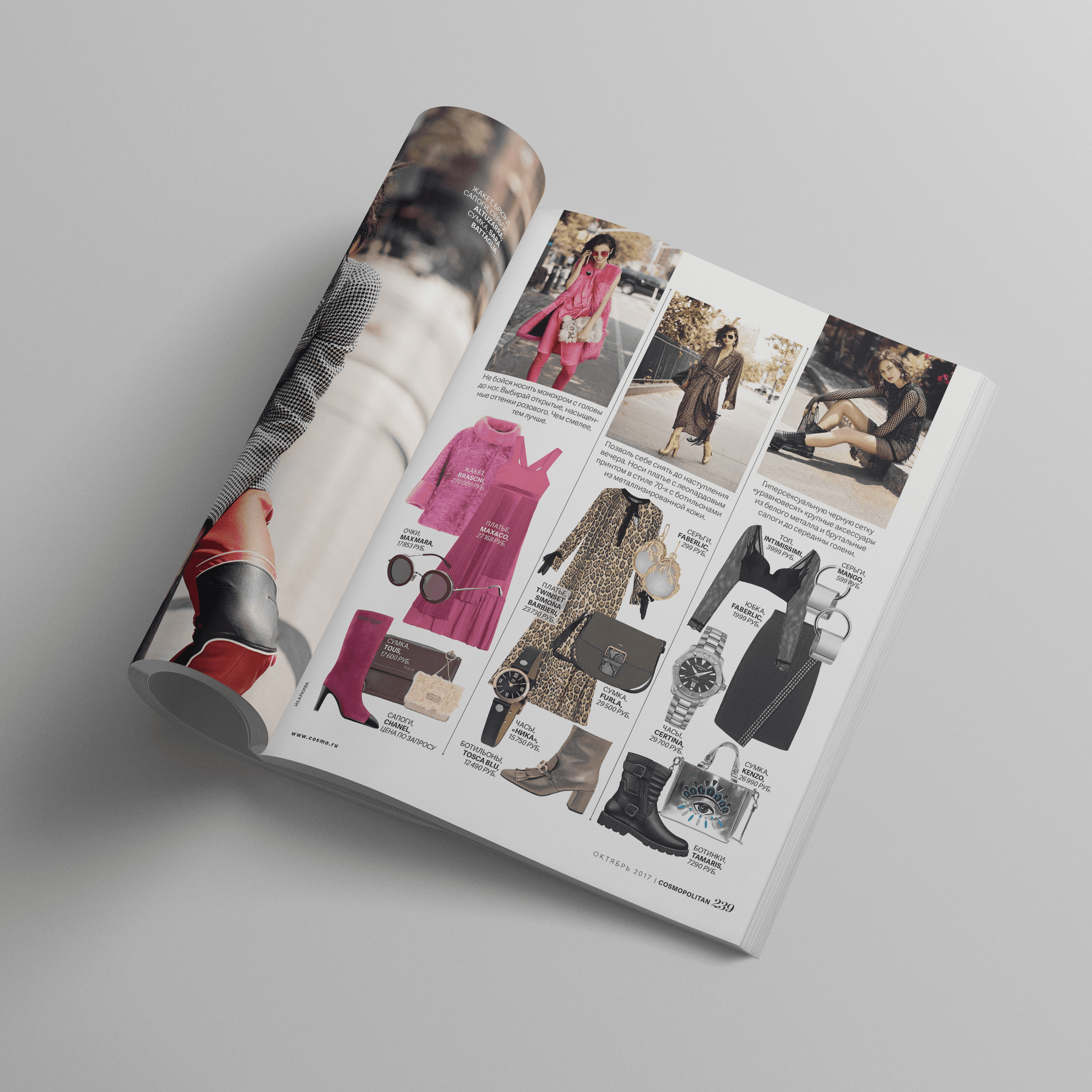
My design career began in print magazines, first at Cosmopolitan and later at Vogue. It was a crash course in design fundamentals: typography, grids, layouts, color profiles, and the nature of collaboration and iterative work.
With up to a million copies of magazines printed monthly, even the smallest design inconsistency mattered – this experience taught me to value discipline and keep an eye on details, and I still carry these habits into my design work today.
Contributions
Editorial Print Design
Visual Digital Design
Still-life photography assistance
Pre-print processes
Timeline
2016-2019
Team
Art Department:
2-3 designers + Art Director
Editorial, Commercial Departments
Process
Inside the Editorial Machine
Each issue followed a strict, waterfall, almost industrial production cycle. Three months before publication, the whole team of editors, designers, photo editors, producers, would gather to plan the skeleton of the next publication of the magazine. Each designer was assigned a set of articles, on average each of us worked on about a third of the pages in an issue.
The process was highly structured. Together with the editor responsible for an article, I would sketch and design multiple versions of a layout. These drafts moved through a hierarchy of approvals: commercial team, section editor, editor-in-chief, and sometimes even the global headquarters. If one of the stakeholders didn’t sign off, the article looped back through the chain.
When the design was finally approved, our focus shifted to prepress. Every detail had to prepared for printing and checked (e.g., color accuracy, image quality, alignment). Right before the deadline, our design team would always spend long hours making sure all details were correct before the magazine was printed.
Next day after approving all pages for print, the new production cycle started, and the process was repeated twelve times a year (or even thirteen, if there was a bonus issue!), year after year.
Learnings
Key Takeaways from Vogue & Cosmo
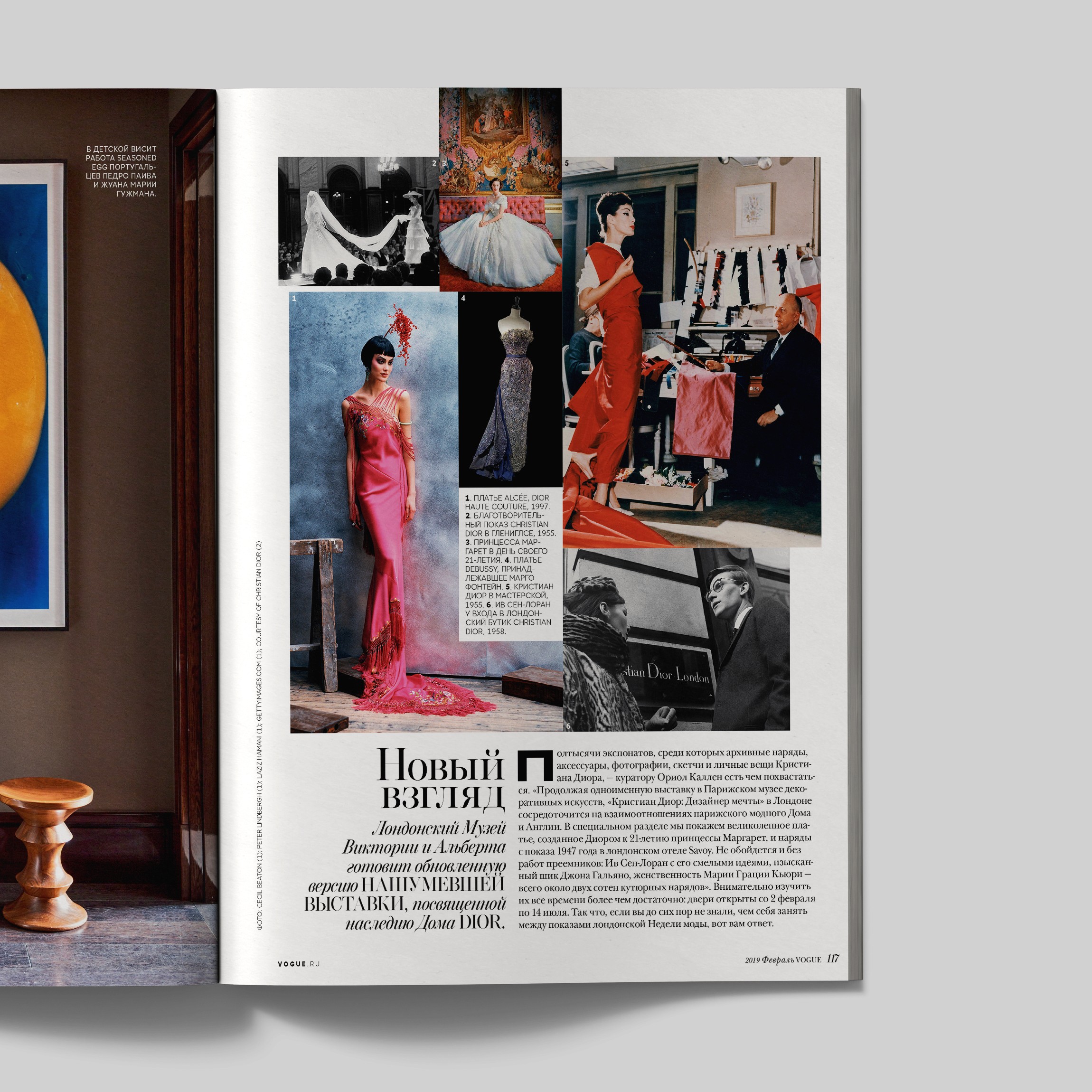
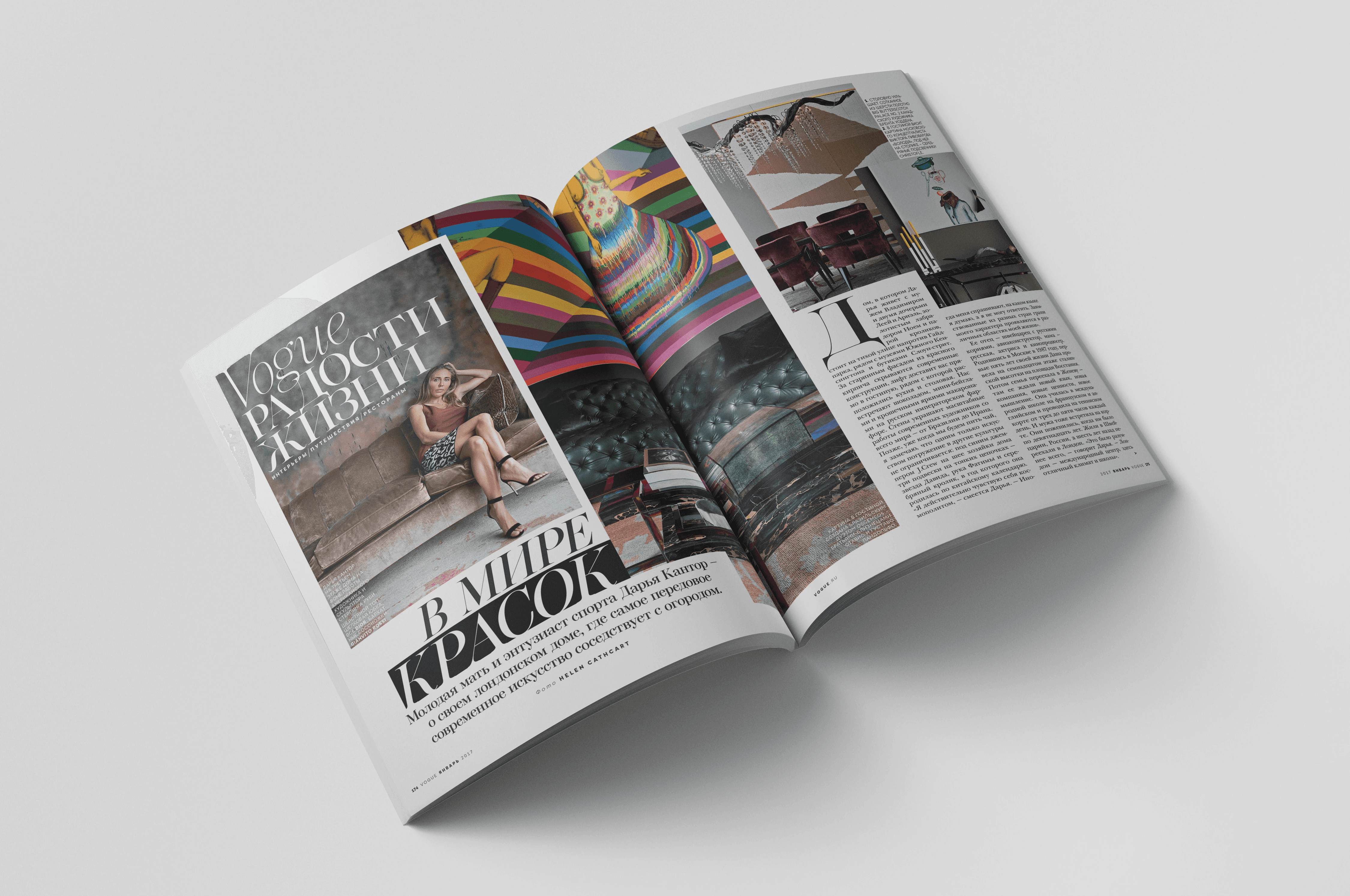
To produce a good design meant being ready to kill your darlings. One of my four-page articles went through 16 versions before it was finally approved, and that was completely normal. Iteration was part of the job.
Pixel perfection was a responsibility. My task as a designer was to reflect the brand’s high standards and make the editors’ and producers’ work shine. Doing sloppy work or ignoring small flaws wasn’t an option. With each magazine published up to million times, even the smallest mistake was multiplied.
Working under pressure and with conflicting priorities. Editors cared about storytelling, commercial teams pushed advertisers’ priorities, global headquarters cared about magazine’s brand consistency, the editor-in-chief had the final word. My role was to navigate all these inputs, translate them into design decisions, and keep the layout’s rhythm coherent across the whole magazine.
Next Steps
Turning Point: Why I Left & Next Steps
After three years of editorial design, I reached a turning point. The next logical steps (senior designer, art director) felt like a continuation of the same narrow specialization.
I also realised that I missed user feedback. We designed for millions of readers, but the process never centered on them. I wanted to know how people actually responded, how design made them feel, and how it could be shaped by their feedback. That gap made me curious about other areas of design where understanding the user was part of the process.
So, instead of taking the next step toward art direction, I chose to start over, reboot my career and go back to academia to study interaction design.
Like What You See?
See More in Work & Blog